
05 Mar 2026
Geopolitical tensions are now a permanent fixture in the global economy—reshaping portfolios and investment strategies.
From the end of the “unipolar moment” to the weaponisation of economic ties and technology, the world is entering a new era of uncertainty.
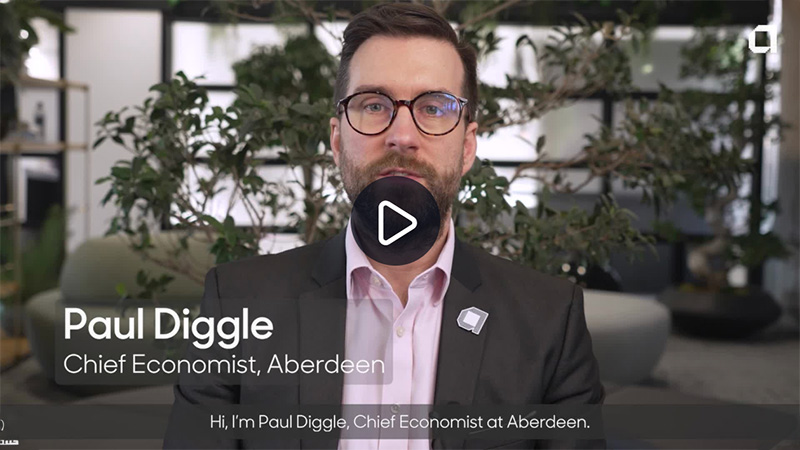
Chief Economist Paul Diggle explains what this means for investors and markets.
Geopolitical risk is structurally elevated: Deep changes in global power dynamics, economic ties, technology, and institutions are making geopolitical risk a permanent feature of the world economy.
Market implications: Persistent geopolitical shocks and supply chain disruptions are causing higher and more volatile inflation, prompting investors to rethink portfolio strategies.
Diversification challenges: Traditional approaches to diversification are less effective, as supply-driven shocks now impact bonds and equities similarly, requiring new strategies.
Dollar assets and global reserves: Questions about US stability and dollar dominance are encouraging central banks and investors to diversify, even as the dollar remains the main global reserve currency.
Defence spending and infrastructure: Rising geopolitical tensions are driving increased defence budgets and a scramble for critical minerals and infrastructure investment, with private capital playing a key role.
Watch the video for more details.