

14 Mar 2026
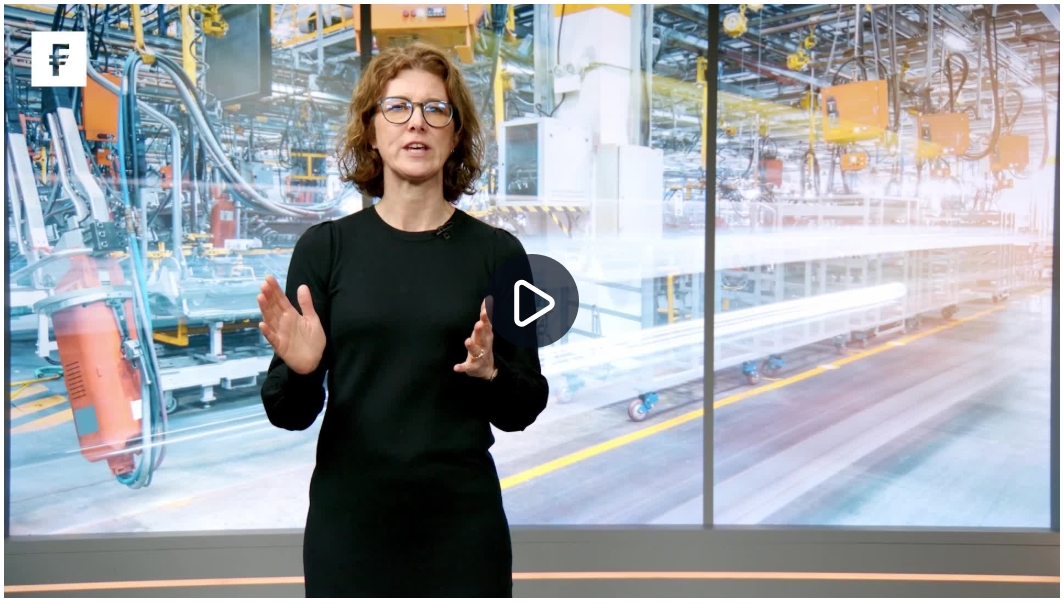
In this monthly video series, our Multi Asset team break down what’s changed in markets, what’s new, and what they’re watching next. This month, portfolio manager Caroline Shaw explores our shift toward greater cyclical exposure, looking at how a strong economic backdrop and supportive policies have led us to add US mid‑caps and broad commodities, and what this means for capturing growth while managing inflation risks.
The ideas and conclusions here do not necessarily reflect the views of Fidelity’s portfolio managers and are for general interest only. The value of investments can go down as well as up, so your clients may not get back what they invest.
Webcast by Caroline Shaw (12.02.26)
Discover our multi asset solutions
More information on our Model Portfolio Service
Caroline Shaw started her investment career in 2000 and joined Fidelity in September 2021 as a Portfolio Manager in the solutions and multi asset team. She joined the team with significant experience in asset allocation and team-based decision-making processes, having delivered strong investment outcomes over her career so far. Prior to joining Fidelity, Caroline was Head of Fund and Asset Management at Courtiers Investment Services Limited, where she led a team of multi asset investors across a range of strategies. Caroline received her master's degree in Civil Engineering from the University of Nottingham and is a CFA charterholder. She has also completed the CFA Society’s Certificate in ESG Investing.
Important information
This information is for investment professionals only and should not be relied upon by private investors. Investors should note that the views expressed may no longer be current and may have already been acted upon. The Fidelity Multi Asset funds use financial derivative instruments for investment purposes, which may expose the funds to a higher degree of risk and can cause investments to experience larger than average price fluctuations. The investment policy of these funds and portfolios means they invest mainly in units in collective investment schemes. Changes in currency exchange rates may affect the value of investments in overseas markets. Investments in emerging markets can be more volatile than other more developed markets. There is a risk that the issuers of bonds may not be able to repay the money they have borrowed or make interest payments. When interest rates rise, bonds may fall in value. Rising interest rates may cause the value of your investment to fall. The price of bonds with a longer lifetime until maturity is generally more sensitive to interest rate movements than those with a shorter lifetime to maturity. The risk of default is based on the issuers ability to make interest payments and to repay the loan at maturity. Default risk may therefore vary between government issuers as well as between different corporate issuers.
UKM0226/416239/SSO/NA